Swimming Pool Winterization in Charleston, SC: A Practical Guide for Mild Winters
Charleston winters are usually mild, but not risk free for pools. Average January highs are around the upper 50s to low 60s, and lows are often in the 40s, with occasional nights that dip near freezing. That can be enough for exposed pipes, pumps, and filters to crack if water is trapped inside them.
When should you winterize a pool in Charleston?
Start once water temperatures stay below about 60°F and the pool is no longer being used regularly. In the Lowcountry, that is often late fall into early winter, but the best trigger is the water temp, not the calendar.
Charleston pool winterization checklist
-
Clean it thoroughly
Skim and net debris, vacuum, and brush walls and tile. Removing organics now helps prevent staining and algae during the off-season. -
Balance chemistry and shock
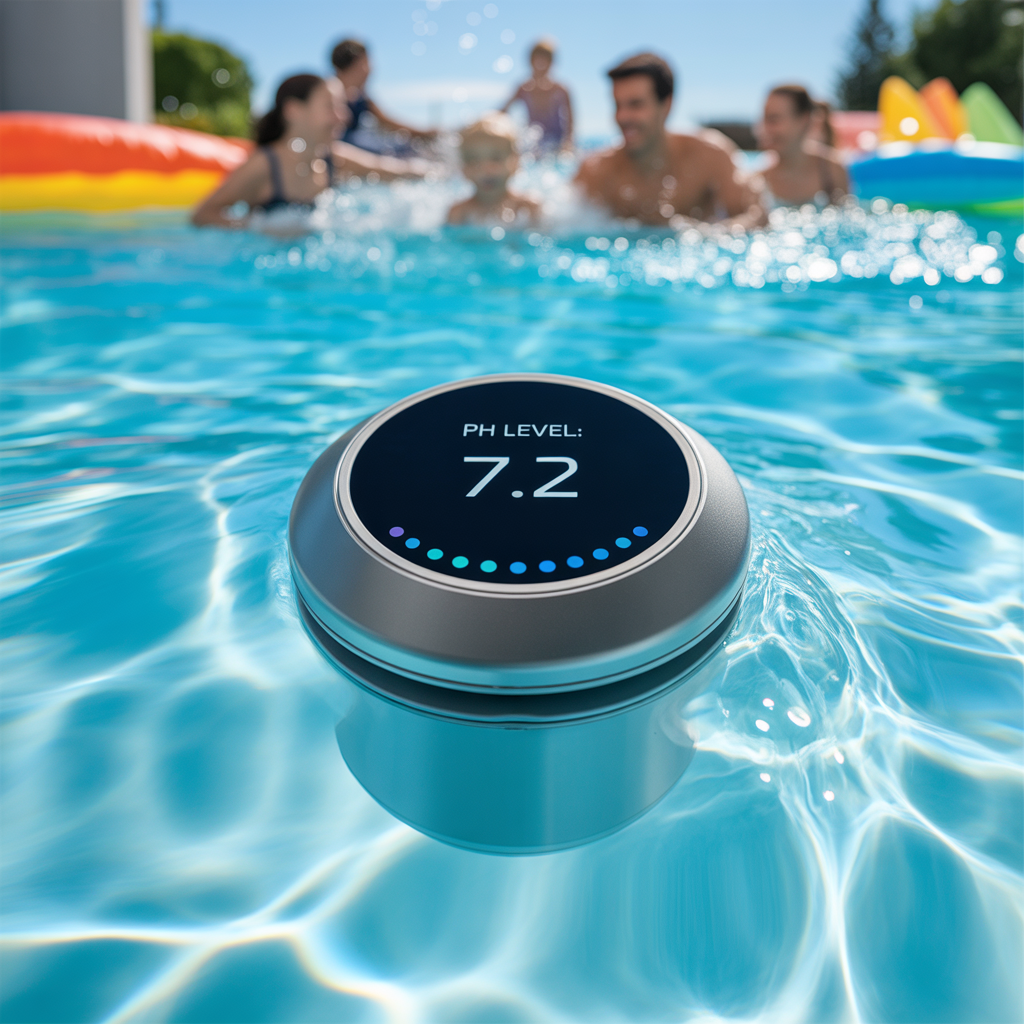
Test and balance pH, alkalinity, and sanitizer before you scale back runtime. Balanced water reduces the odds of cloudy water and winter algae. -
Choose a soft close or full close
Many Charleston owners do a soft close: keep water in the pool, reduce pump runtime, and protect equipment on freeze nights. Full closing adds plugs, winterizing the lines, and a cover. If you have a salt system, it is normal for chlorine production to drop as water cools, so plan on testing periodically and supplementing sanitizer as needed. -
Drain and protect equipment
Remove drain plugs and fully drain the pump, filter, and heater. Store plugs where you will not lose them (many pros keep them in the pump basket). -
Winterize the plumbing lines
For in-ground pools, blow out the lines and plug returns and skimmers with expansion plugs. Many pros add a skimmer gizmo or plug to protect the skimmer line. If lines are not blown out, pool antifreeze may be used per manufacturer directions. -
Cover and secure
A properly secured cover reduces debris, limits sunlight (algae fuel), and makes spring startup faster.
Freeze-night game plan for Charleston
If your system has freeze protection, confirm it is enabled before the first cold snap. If you keep the pool open, run the pump overnight when temps approach freezing, and make sure water can circulate through exposed plumbing.
Common winterization mistakes to avoid
-
Closing too early while water is still warm (algae grows faster)
-
Forgetting to drain the heater and pump pot completely
-
Leaving water in low spots of plumbing lines
-
Ignoring a small leak: winter is a great time to catch it before spring demand spikes
Need help winterizing your pool in Charleston, SC?
A professional winterization typically includes proper drainage, line protection, and a quick inspection for small leaks or worn seals that can turn into bigger repairs by spring.